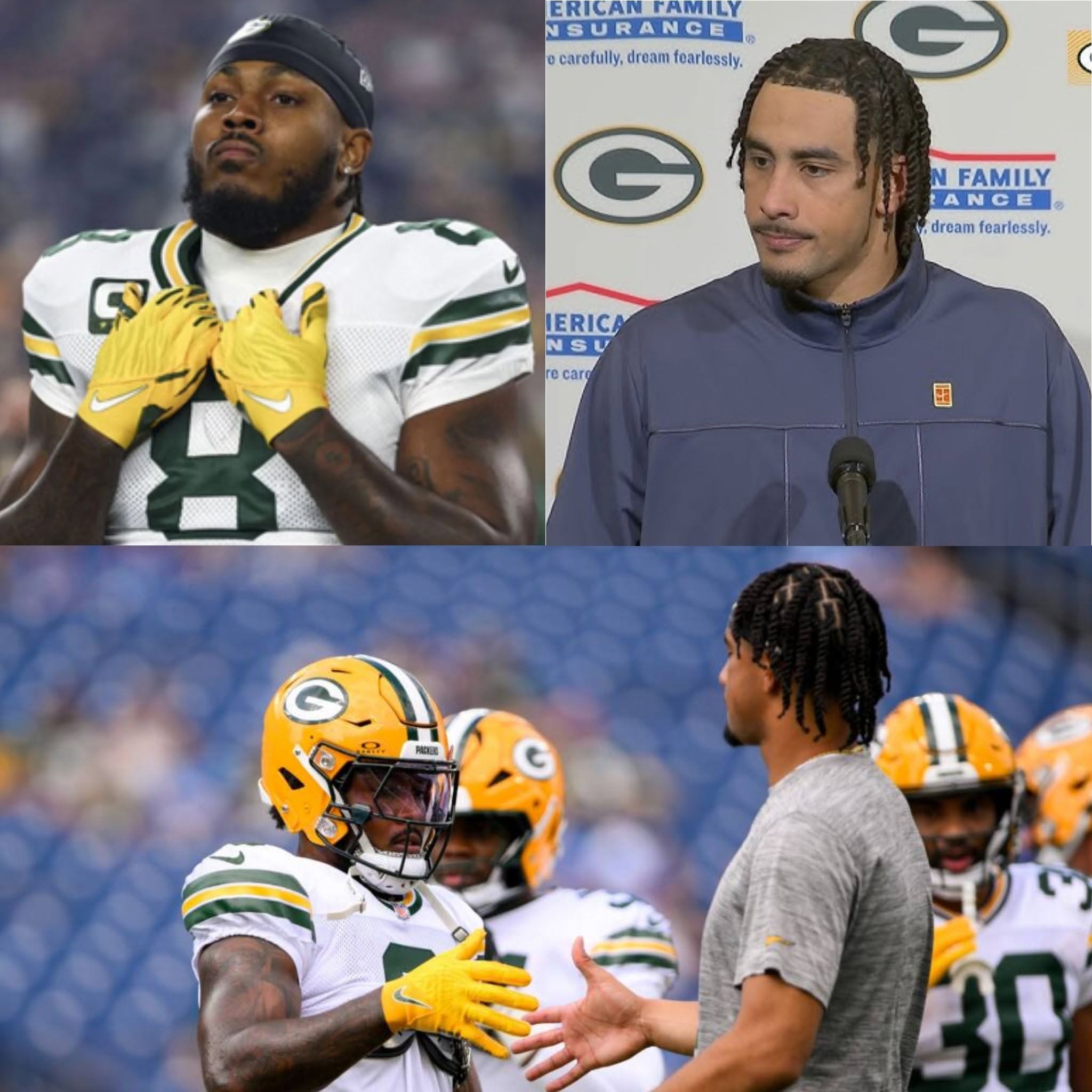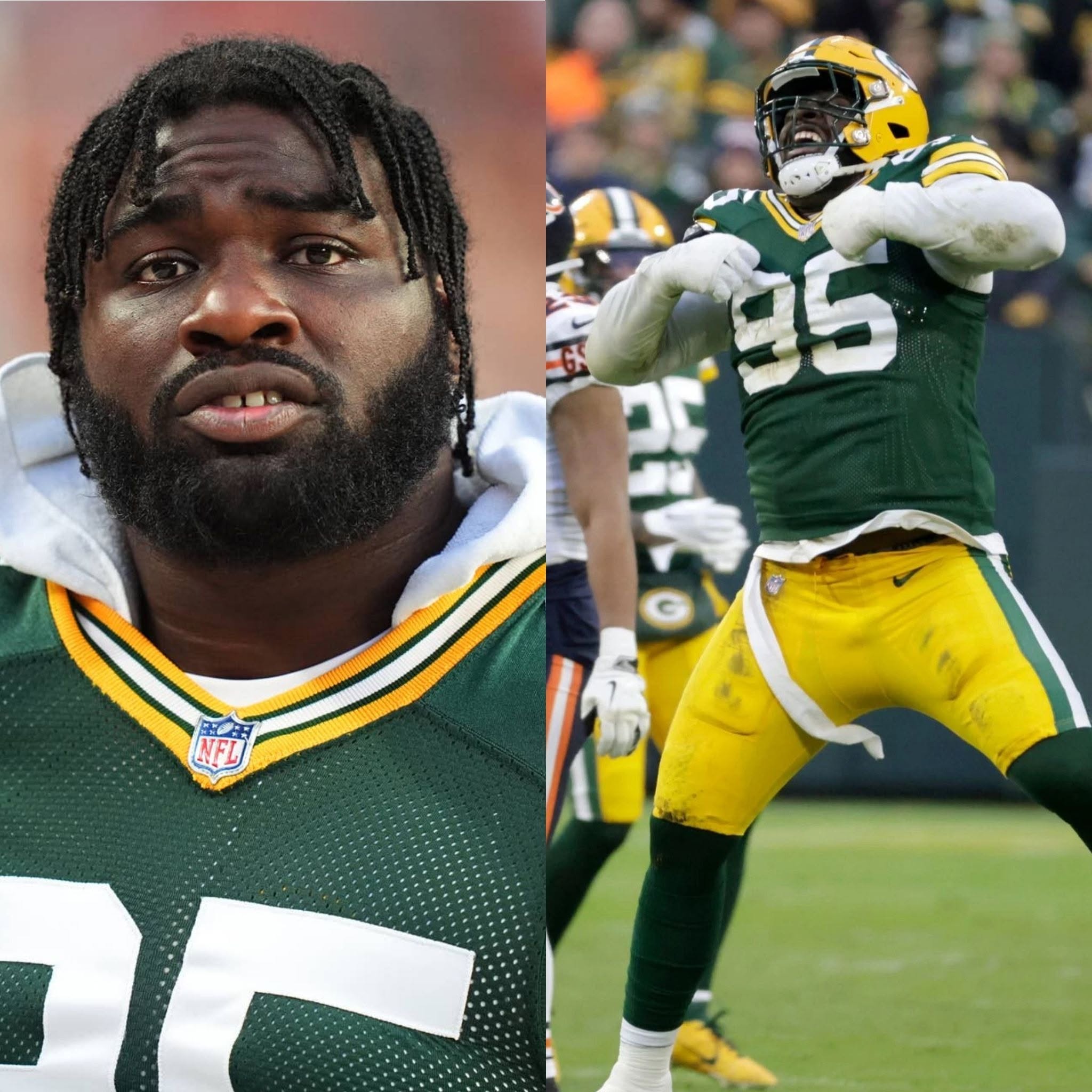
Recognition in the NFL isn’t easy to earn.
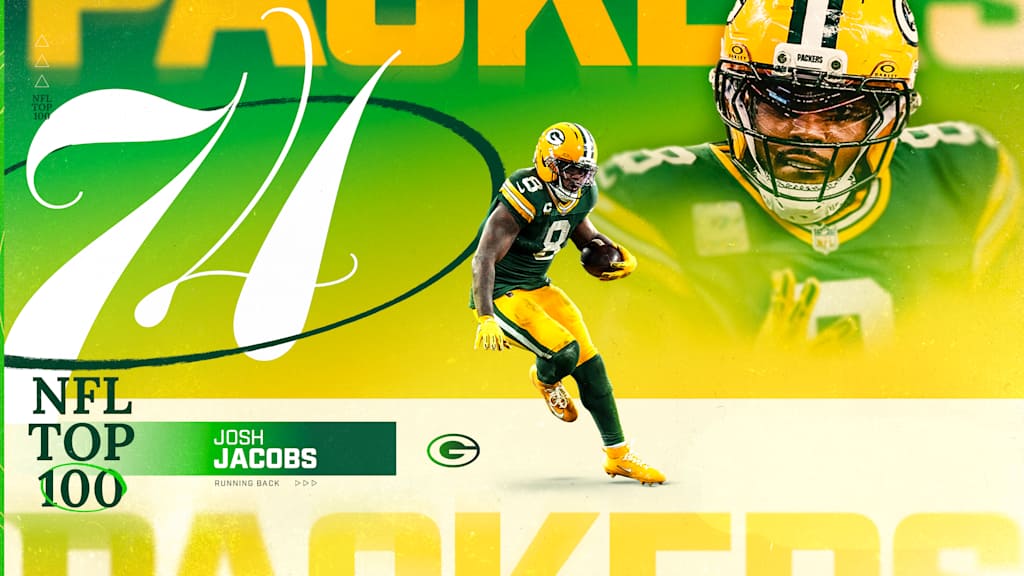
Every season, hundreds of players compete at the highest level, yet only a select group is honored by their peers as one of the league’s Top 100 players. This year, Green Bay Packers running back Josh Jacobs has once again secured his place on that prestigious list, reinforcing his reputation as one of football’s premier offensive weapons.
For Packers fans, the announcement comes as validation.
For everyone else, it has become another reason to debate exactly where Jacobs belongs among today’s elite running backs.
Since entering the league, Jacobs has built a reputation as one of the NFL’s toughest and most dependable ball carriers. His combination of vision, balance, power, and explosiveness allows him to impact games in multiple ways, whether grinding out difficult yards between the tackles or breaking long runs that completely change momentum.
What separates Jacobs from many other running backs isn’t just production.
It’s consistency.
Season after season, he has proven capable of carrying a heavy workload while remaining one of the focal points of every offense he has played in. Coaches trust him in critical situations, teammates rely on his leadership, and opposing defenses understand that stopping him is often the first priority.
That level of respect is one reason fellow NFL players continue voting him among the league’s best.
Yet despite another Top 100 appearance, many fans believe Jacobs still doesn’t receive the national recognition his performances deserve.
One reason may be the changing perception of the running back position.
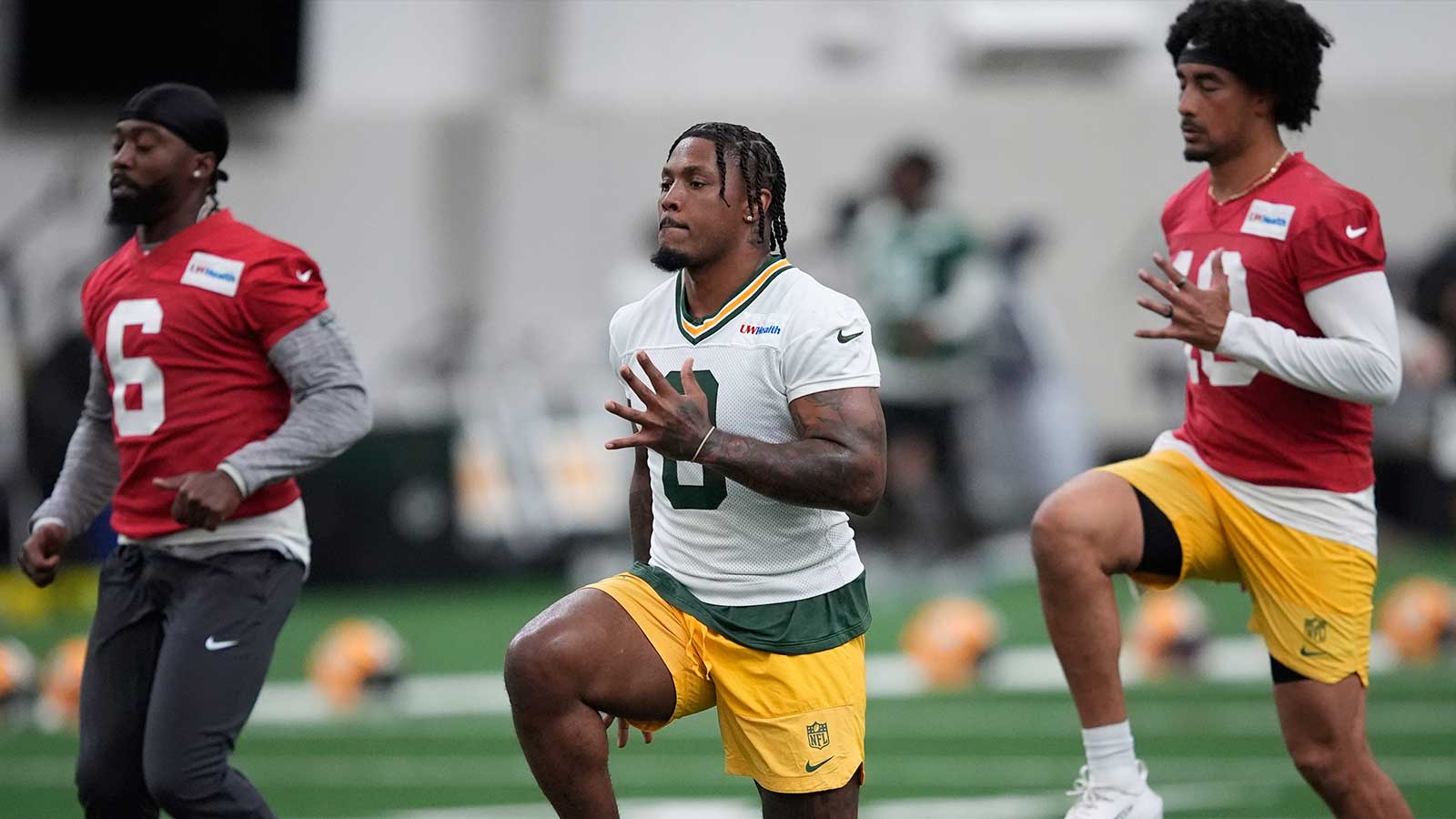
Over the past decade, NFL offenses have increasingly emphasized quarterbacks and wide receivers, leaving elite running backs with fewer opportunities to dominate headlines. Even outstanding rushing performances can sometimes be overshadowed by spectacular passing statistics.
Jacobs has often found himself caught in that reality.
While analysts consistently praise his toughness and production, he rarely generates the same weekly buzz as some of the league’s biggest offensive stars. For Packers supporters, that’s frustrating.
They argue that Jacobs does far more than accumulate rushing yards.
His physical running style wears down defenses, opens opportunities for the passing game, controls the clock, and provides stability in difficult moments. Those contributions don’t always appear in highlight reels, but they frequently determine the outcome of games.
Of course, not everyone agrees.
Critics argue that today’s NFL features several younger running backs with greater explosiveness or more versatility as receivers. Others believe the depth of talent at the position makes it difficult to rank Jacobs among the very best.
That’s exactly why the annual Top 100 list always generates so much discussion.
Every ranking reflects opinions, and opinions naturally vary.
Some fans believe Jacobs belongs comfortably inside the league’s top 25 players.
Others think his current position accurately reflects his value.
Still others argue that comparing running backs across different offensive systems is nearly impossible because each player is asked to perform a unique role.
What’s difficult to debate, however, is Jacobs’ importance to Green Bay.
The Packers have placed significant trust in him, expecting him to help balance the offense and provide reliability whenever the team needs a critical first down. His arrival added experience, toughness, and leadership to one of the NFL’s youngest rosters.