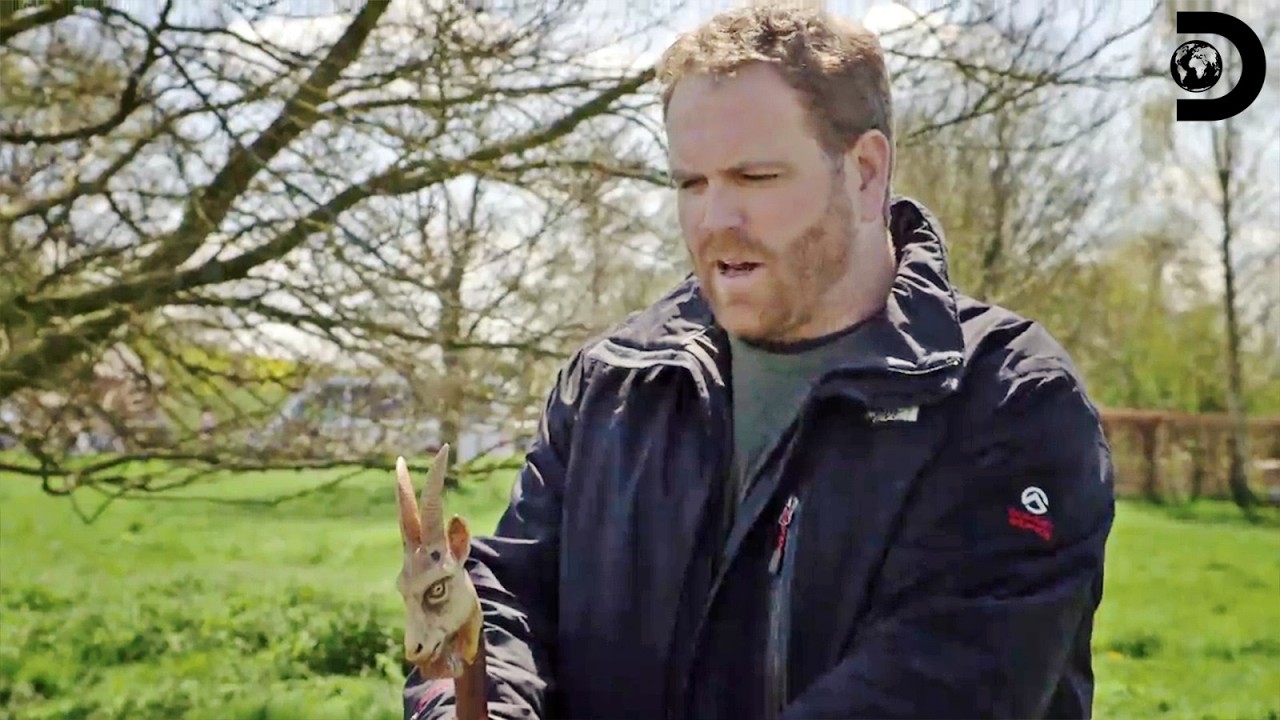
Stonehenge stands as one of humanity’s most enduring enigmas—a prehistoric monument of massive sarsen stones and bluestones arranged in precise circles on Salisbury Plain in England. For thousands of years, it has inspired awe, speculation, and countless theories about its purpose. Was it an astronomical observatory, a healing site, a burial ground, or something far more mystical? In a standout episode of Expedition Unknown, intrepid explorer Josh Gates travels to his ancestral homeland to peel back the layers of myth and uncover the monument’s deepest secrets, blending cutting-edge technology with boots-on-the-ground investigation.
The Timeless Puzzle of Stonehenge
Constructed in phases between approximately 3000 BCE and 2000 BCE, Stonehenge represents an extraordinary feat of Neolithic engineering. The largest stones weigh up to 30 tons and were transported from as far as 25 miles away, while the iconic bluestones originated from the Preseli Hills in Wales—over 150 miles distant. How did ancient people move these megaliths without modern machinery? What drove them to invest such immense effort in this specific location?
Over the centuries, theories have ranged from Druidic temples (a romantic but anachronistic idea) to alien landing pads. Modern archaeology points to ceremonial, funerary, and possibly astronomical functions, with alignments to solstices suggesting sophisticated knowledge of the cosmos. Yet many questions remain: Why this design? Who were the builders, and what hidden chambers or lost knowledge might still lie beneath the surface?
Josh Gates’ Multi-Layered Investigation
In the episode (Season 4/5, “Origins of Stonehenge”), Gates approaches the site with fresh eyes and state-of-the-art tools. He begins with an aerial perspective, using drones and LiDAR (Light Detection and Ranging) to map the broader landscape, revealing previously obscured features like ancient pathways, pits, and related monuments in the Stonehenge World Heritage Site. This “from above” view underscores how Stonehenge was part of a much larger ritual complex, not an isolated structure.
Gates then goes deeper—literally. He explores subsurface scanning techniques and participates in excavations around the perimeter, seeking evidence of construction methods, worker camps, and possible hidden features. One compelling segment involves investigating the origins of the bluestones. Gates travels to the Preseli Hills to examine quarries and considers ancient transport theories, including overland routes and even maritime possibilities, highlighting the extraordinary organizational skill of prehistoric societies.
A particularly intriguing angle takes the investigation underwater. Gates explores submerged landscapes and ancient coastlines that may connect to the cultural world of Stonehenge’s builders. Rising sea levels since the Neolithic era have hidden potential “genesis” sites or inspirational landscapes. This diving component ties into broader theories about Doggerland and lost Mesolithic/Neolithic environments, suggesting Stonehenge’s builders drew from a deeper cultural memory shaped by dramatic environmental changes.
Key Revelations and Ongoing Debates
The episode showcases real archaeological insights: evidence of feasting, burials (including the famous “Amesbury Archer”), and seasonal gatherings. Advanced imaging reveals tool marks and engineering precision that challenge assumptions about “primitive” societies. Gates consults leading experts, including archaeologists from English Heritage and university teams, who discuss recent discoveries like the “super henge” at Durrington Walls, painting a richer picture of a vibrant, interconnected ritual landscape.
While no single “smoking gun” solves every mystery, the investigation emphasizes Stonehenge’s role as a dynamic ceremonial center tied to ancestors, astronomy, and community identity. It debunks sensational claims while celebrating the genuine wonder of its construction.
Why Stonehenge Continues to Captivate
Stonehenge’s appeal lies in its silence—it offers no inscriptions or straightforward explanations, inviting endless interpretation. In an era of rapid technological change, it reminds us of humanity’s long-standing drive to mark time, honor the dead, and align with the heavens. Expedition Unknown captures this by humanizing the builders: real people with ingenuity, spirituality, and ambition.
Gates’ personal connection—exploring British roots—adds warmth to the narrative. His blend of humor, respect for science, and adventurous spirit makes complex archaeology accessible and exciting for general audiences.
Broader Context and Recommendations
This episode fits perfectly within Expedition Unknown‘s mission of blending travel, history, and discovery. It complements other episodes on megalithic sites, ancient engineering, or submerged landscapes. For deeper dives, visit Stonehenge itself (virtual tours available), read works by archaeologists like Mike Parker Pearson, or explore related sites like Avebury and Silbury Hill.
Expedition Unknown‘s journey inside Stonehenge’s mysteries reinforces that some of history’s greatest secrets aren’t fully solved—they evolve with new tools and perspectives. Josh Gates doesn’t claim to have all the answers, but he illuminates the questions beautifully, reminding viewers why ancient wonders like Stonehenge still draw millions and spark the imagination across millennia.
Whether you’re a history buff, armchair adventurer, or simply curious about humanity’s past, this episode delivers a compelling blend of discovery and wonder. Stonehenge’s greatest hidden mystery may never be fully revealed—but the search itself is part of its enduring magic.