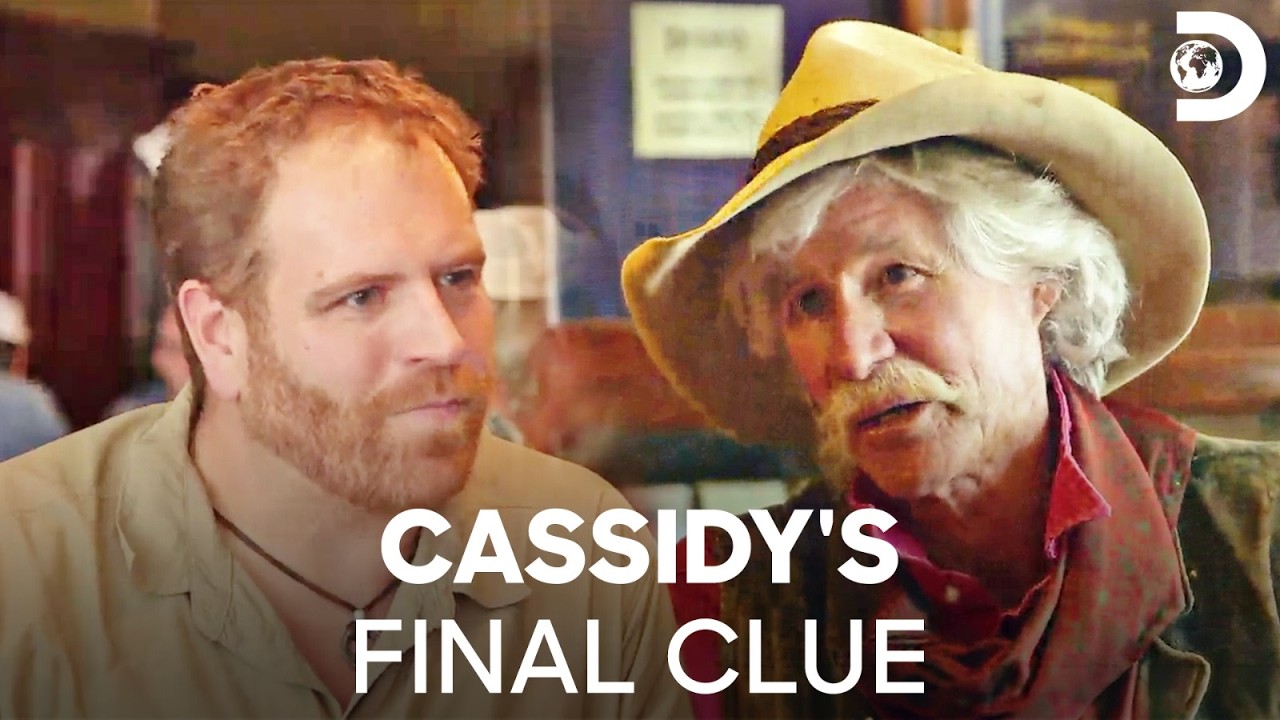
Few outlaws in American history capture the imagination quite like Butch Cassidy and the Sundance Kid. Immortalized in film and folklore, Robert LeRoy Parker (Butch Cassidy) led the Wild Bunch, pulling off daring train and bank robberies across the American West in the late 19th and early 20th centuries. But beyond the shootouts and escapes lies a tantalizing mystery: what happened to the gang’s vast accumulated fortune? In a gripping episode of Expedition Unknown, host Josh Gates embarks on a high-stakes quest to track down rumors of hidden caches, lost loot, and the final resting place of one of the West’s most charismatic criminals.
The Legend of Butch Cassidy’s Wealth
Butch Cassidy and his partners, including Harry Longabaugh (the Sundance Kid), are credited with stealing hundreds of thousands of dollars—millions in today’s terms—through meticulously planned heists. Unlike more violent contemporaries, Cassidy cultivated a Robin Hood image, targeting corporations rather than individuals. After fleeing to South America around 1901, the duo continued their criminal ways until their reported deaths in a 1908 shootout in Bolivia.
Persistent legends claim that not all the money was spent or lost. Stories abound of buried saddlebags filled with gold coins and currency hidden in Wyoming, Utah, Colorado, or even remote South American locales. Some accounts suggest Cassidy returned secretly to the U.S., living under aliases and occasionally accessing stashes. Family members and researchers have spent decades chasing leads, from metal detector sweeps in Hole-in-the-Wall country to archival deep dives into Pinkerton files.
Josh Gates Takes on the Chase
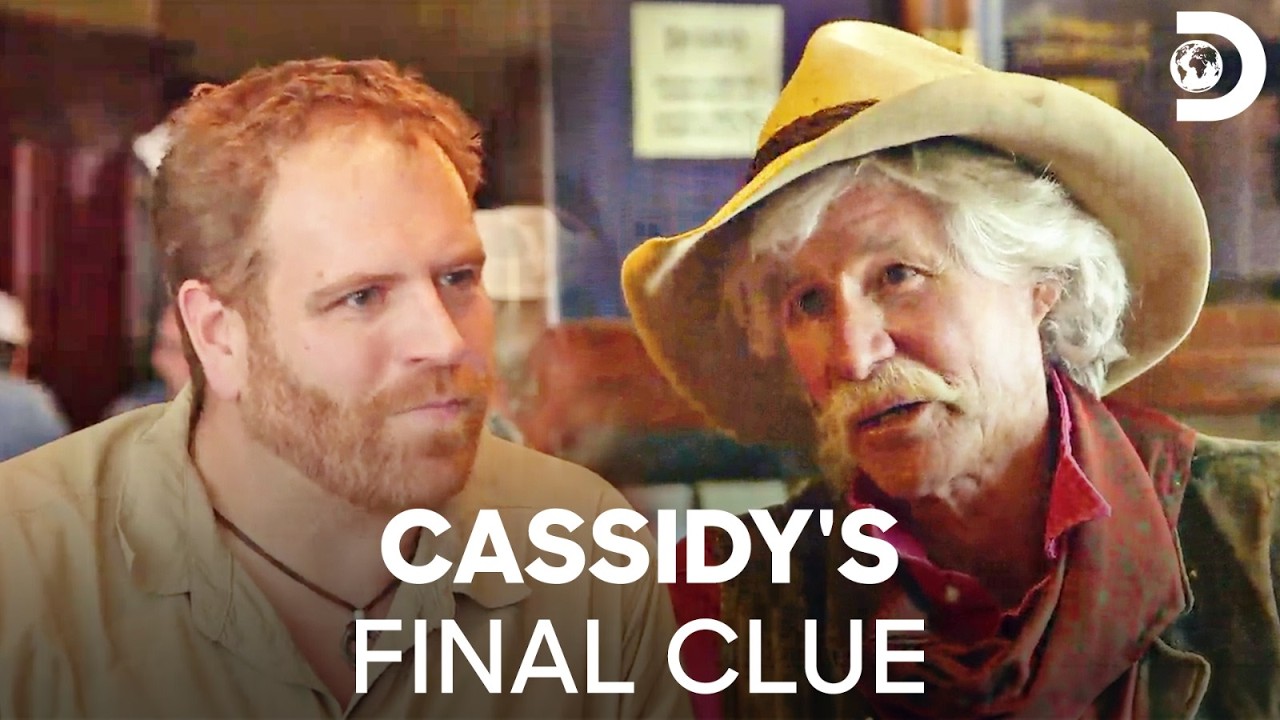
In the relevant Expedition Unknown episode, Josh Gates combines historical sleuthing with boots-on-the-ground adventure. He starts in the rugged landscapes of the American West, consulting experts on Wild Bunch history and poring over yellowed maps and wanted posters. Gates examines how Cassidy’s gang operated—using remote hideouts like Brown’s Park and the famous Hole-in-the-Wall—and why so much loot might have been cached rather than spent.
Key segments take Gates to potential burial sites. Armed with historical clues, ground-penetrating radar, and old-fashioned digging, the team searches remote canyons and abandoned ranches. One promising lead involves oral histories from descendants and locals claiming knowledge of specific landmarks tied to Cassidy’s returns. Environmental challenges—harsh terrain, wildlife, and unpredictable weather—mirror the difficulties the outlaws themselves faced.
Gates also travels south, exploring Bolivian and Argentine connections. He investigates the infamous San Vicente shootout site and interviews researchers questioning whether Cassidy and Sundance truly died there or faked their deaths to retire quietly. Archival photos, fingerprint debates, and alleged later sightings add layers of intrigue. Did Cassidy live into the 1930s under a new identity? If so, where did the money go?
Discoveries, Dead Ends, and Enduring Allure
True to Expedition Unknown‘s style, the episode delivers compelling clues without easy resolutions. Gates uncovers period artifacts, corroborates timelines with new evidence, and experiences the thrill of potential breakthroughs—only to face the reality that time, nature, and deliberate concealment have obscured much of the truth. Metal detector hits and soil anomalies keep hope alive, but the full fortune remains elusive, much like the man himself.
The human element shines through. Interviews with Cassidy descendants reveal pride mixed with frustration over the mythologized legacy. Gates reflects on the romanticism of the outlaw era: a time of rapid change where bandits embodied both rebellion and ruthlessness. The episode thoughtfully contrasts Hollywood’s glamorous portrayal (thanks to the 1969 Paul Newman/Robert Redford classic) with harsher historical realities, including violence and the economic desperation driving crime.
Why the Legend Persists
Butch Cassidy’s story endures because it embodies the American West’s contradictions—freedom versus law, adventure versus consequence. Rumors of lost treasure tap into universal treasure-hunting fantasies, similar to Oak Island or pirate gold legends. Expedition Unknown excels here by grounding the romance in rigorous investigation, using technology and scholarship to test folklore.
For viewers, the episode is part detective story, part history lesson, and part adventure travelogue. It highlights how much of the past remains buried—literally and figuratively—inviting audiences to ponder their own backyard mysteries.
Broader Context in Expedition Unknown
This installment fits seamlessly into the series’ roster of outlaw, lost treasure, and fugitive episodes. Josh Gates’ approachable style—equal parts enthusiasm and skepticism—makes complex history accessible. Fans of Western lore or previous episodes on figures like Billy the Kid or hidden Civil War gold will find plenty to enjoy.
If the episode leaves you wanting more, dive into books like The Sundance Kid: The Life and Legend of Harry Longabaugh or visit museums in Wyoming and Utah featuring Wild Bunch artifacts. Local guided tours sometimes retrace the gang’s trails, adding modern context to the legends.
Ultimately, Expedition Unknown‘s chase after Butch Cassidy’s lost fortune reminds us that some treasures aren’t just about gold—they’re about the stories, the landscapes, and the enduring human drive to uncover what history tried to hide. Whether Gates got close to the big score or not, the journey itself is pure adventure gold.