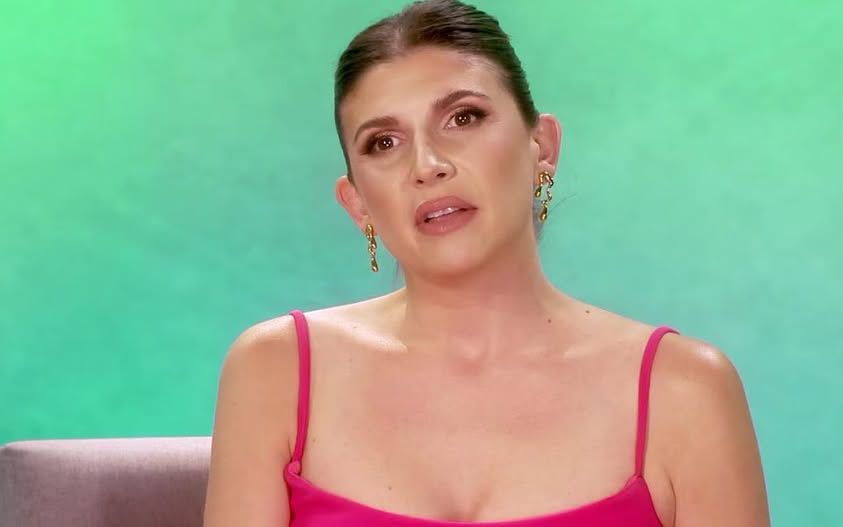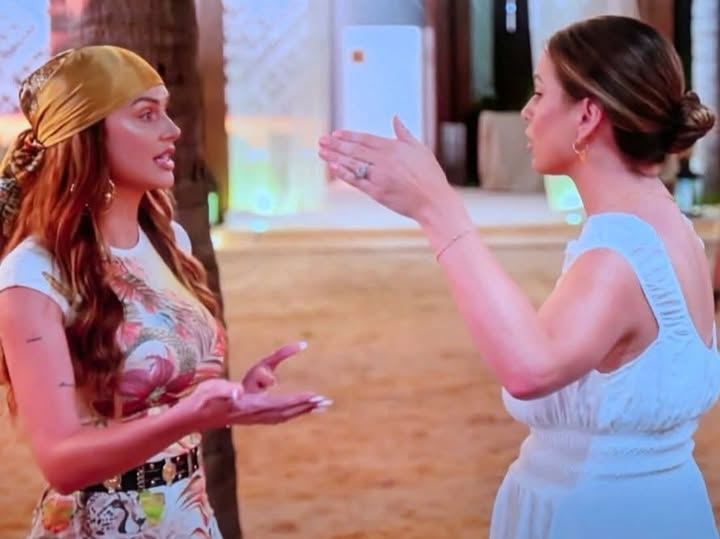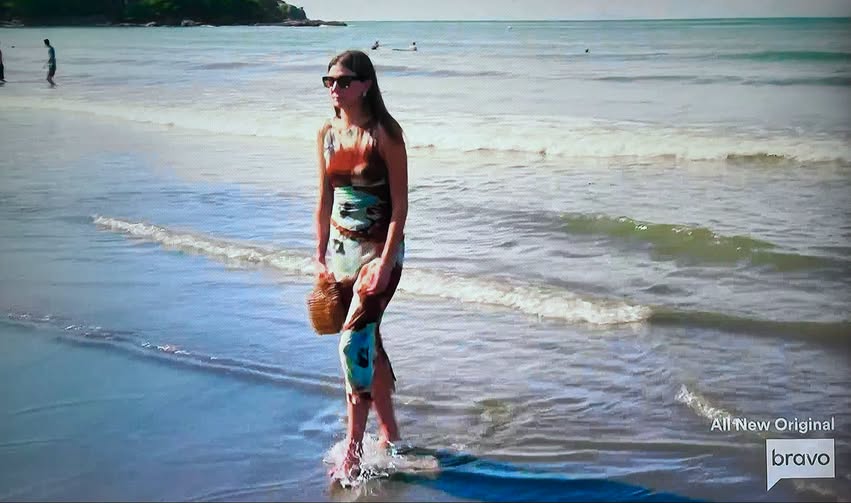
In the cutthroat world of Bravo reality television, few things are more predictable than a network’s attempt to manufacture audience empathy for a polarizing cast member. Yet, with Janet Caperna on The Valley, Bravo seems to be pushing an uphill battle. As one frustrated viewer succinctly put it on social media: “Why is Bravo trying so hard to make me feel sorry for this smug, miserable loser who can manage to be wretched even in paradise? Janet is awful and the viewers don’t like her. Bringing in Lala who is also unlikeable isn’t going to fix that.” This sentiment echoes across forums, comment sections, and social platforms, encapsulating a growing backlash against Caperna’s portrayal and the show’s narrative choices.
The Valley, a spin-off from Vanderpump Rules, follows a group of friends navigating life, relationships, and drama in Los Angeles’ San Fernando Valley. Janet Caperna, alongside her husband Jason, emerged as a central figure in recent seasons. Positioned initially as a friend-of or newcomer with ties to the Vanderpump universe, Janet has quickly become one of the most divisive personalities on the network. Bravo’s editing and storyline arcs often frame her as a misunderstood underdog or victim of group dynamics, complete with emotional confessionals and sympathetic music cues. But for many longtime Bravo viewers, this feels forced and disconnected from the on-screen reality.
Critics argue Janet comes across as smug, condescending, and quick to insert herself into conflicts that don’t involve her. Whether it’s escalating issues around Danny Booko’s personal struggles or clashing with established cast members like Kristen Doute, her approach often reads as calculated rather than authentic. Viewers frequently point to moments where she appears to “weaponize” innocuous situations or play the victim after stirring the pot. As one analysis noted, Janet has a “sharp tongue” and is “never boring,” but her rationalizations and perpetual victimhood have worn thin.
This isn’t just casual dislike; the vitriol has reached concerning levels. Reports surfaced of intense online hate forcing Janet and her family to private their social media accounts, with some co-stars addressing rumors of them fleeing the country (later clarified as a pre-planned vacation). Jesse Lally, a castmate, downplayed the severity but acknowledged the backlash. Janet herself has addressed the internet hate in interviews, expressing confusion since her husband views her positively in real life. Yet, this defense often falls flat for audiences who see a disconnect between her self-perception and televised behavior.
The “Fan” Accusation and Authenticity Debates
A recurring theme in the criticism is the perception that Janet is a “superfan” who inserted herself into the Bravo world rather than organically belonging there. Kristen Doute has publicly labeled her as such, framing it as an insult implying thirstiness for fame. Janet has pushed back, stating she doesn’t see being a fan as negative and that she never dreamed of being on reality TV. However, this narrative fuels skepticism. In a genre built on “real” relationships and drama, accusations of performative behavior or strategic alliances hit hard.
Defenders, including some opinion pieces, argue Janet is an “incredible reality TV villain” — messy, shady, and effective at creating drama without the cartoonish excess of figures like Jax Taylor. Her ability to lie smoothly, maintain a victim narrative, and disrupt group dynamics makes her compelling television for some. Yet, even admirers note she lacks the charm or self-awareness that makes villains like early Kristen Doute or other Bravo icons enduringly watchable. Instead, she often appears “exhausting” or “calculated,” alienating viewers who crave messy authenticity over perceived meanness.
Her husband Jason’s supportive role — often seen as overly deferential or “whipped” — adds to the dynamic. Comments frequently criticize the couple as a unit: “Janet acts like an angry man and her husband stands behind saying ‘Yeah, what she said.’” This portrayal, whether fair or edited, contributes to the “unlikeable” label.
Enter Lala Kent: A Questionable Fix
Bravo’s apparent solution? Bringing in Lala Kent (and Tom Schwartz) from Vanderpump Rules as full-time cast members for Season 3. Lala, known for her blunt “Give Them Lala” persona, strong opinions, and past feuds, has history with the group. She has shared perspectives on The Valley dynamics and expressed initial hesitation about returning to reality TV post her Vanderpump exit.
However, as the original tweet highlights, Lala’s unlikability for many viewers — stemming from her own history of fiery confrontations, perceived hypocrisy, or abrasive style — doesn’t magically redeem or balance Janet’s arc. Crossovers can refresh a show, especially after Jax Taylor’s exit, but forcing alliances or redemption stories risks feeling contrived. Lala’s involvement might amplify drama through her connections to Kristen and others, but it could also highlight the same issues: performative elements, loyalty tests, and cast members prioritizing screen time over genuine bonds.
Viewers have expressed fatigue with the current season, citing a lack of investment in Janet’s storyline. “Nobody cares about this Janet redemption arc. Janet is a bad villain,” sums up a common complaint. Bravo’s strategy of centering her emotional journey, complete with Mexico trips, birthday parties, and group interventions, feels like an attempt to humanize someone many see as irredeemable on screen.
Broader Implications for Bravo and Reality TV
This situation reflects larger trends at Bravo. The network excels at mining interpersonal drama but sometimes doubles down on characters who polarize audiences to the point of disengagement. The Valley aimed to capture a new era of friendships and family life post-Vanderpump, but heavy focus on divisive figures risks alienating core viewers who tune in for escapism and schadenfreude, not forced sympathy.
Janet has admitted the hate affects her, and co-stars like her husband defend her fiercely. In interviews, she clears the air on rumors, denies being cast purely as a fan, and emphasizes her real-life friendships. Yet, reality TV’s edited nature means perception often trumps intent. What reads as loyalty or advocacy on her end can appear as gossip or escalation to outsiders.
Comparisons to other Bravo villains are inevitable. Unlike Jax’s overt chaos or Scandoval’s betrayal scale, Janet’s controversies feel more interpersonal and petty to some — stirring pots without delivering cathartic payoff. This makes the sympathy push particularly grating. As one Vulture piece questioned: With more egregious behaviors from male castmates, why does Janet bear the brunt? The answer likely lies in a mix of editing, gender expectations in reality TV, and her specific brand of sharp-tongued involvement.
Can the Show Recover?
For The Valley to thrive, Bravo might need to recalibrate. Allowing more organic storylines, balancing screen time, and leaning into likable (or compellingly hateable) dynamics could help. Lala’s addition brings star power and crossover appeal, potentially shifting focus, but it won’t erase underlying viewer fatigue with Janet-centric arcs.
Ultimately, reality TV succeeds when audiences feel invested, even in dislike. Janet Caperna’s arc tests that boundary. Is she a misunderstood friend fighting for her place, or a calculated instigator thriving on conflict? The divide is stark, and Bravo’s heavy-handed sympathy efforts only widen it. As viewers continue voicing frustration online, the network faces a choice: listen to the audience or risk losing them in paradise-turned-misery.