Stretching 184.5 miles from Washington, D.C., to Cumberland, Maryland, the Chesapeake & Ohio Canal stands as a remarkable feat of 19th-century engineering. Once a vital artery for coal, lumber, and goods, the waterway now serves as a scenic national historical park. Yet beneath its tranquil towpaths and locks lies a darker history—of disease, deadly accidents, and the echoes of the Civil War. In Expedition X Season 2 Episode 13 (“Do Civil War Ghosts Still Haunt The C&O Canal?”), Jessica Chobot and Phil Torres investigate reports of apparitions, disembodied voices, and unexplained phenomena along this historic corridor. Their findings suggest that some spirits from America’s bloodiest conflict may refuse to rest.
A Canal Steeped in Tragedy and War
Construction of the C&O Canal began in 1828 and took 22 years to complete. Workers—many Irish immigrants—faced brutal conditions, malaria outbreaks, and frequent rockslides. Hundreds died during its building, and their unmarked graves dot the landscape. The canal’s operational years brought further hardship: floods, collisions, and drownings claimed more lives. During the Civil War (1861–1865), the canal became strategically vital. Union forces used it to transport troops and supplies, while Confederate raiders targeted its infrastructure. Skirmishes, sabotage, and the presence of soldiers turned the peaceful waterway into a theater of conflict.
Modern visitors and park rangers report eerie encounters: shadowy figures in period clothing walking the towpath at dusk, phantom footsteps, whispers in the locks, and cold spots near historic sites. Some claim to see soldiers in blue or gray uniforms, or the ghosts of drowned workers. These stories have made the C&O Canal a destination for paranormal enthusiasts.
Expedition X Hits the Towpath
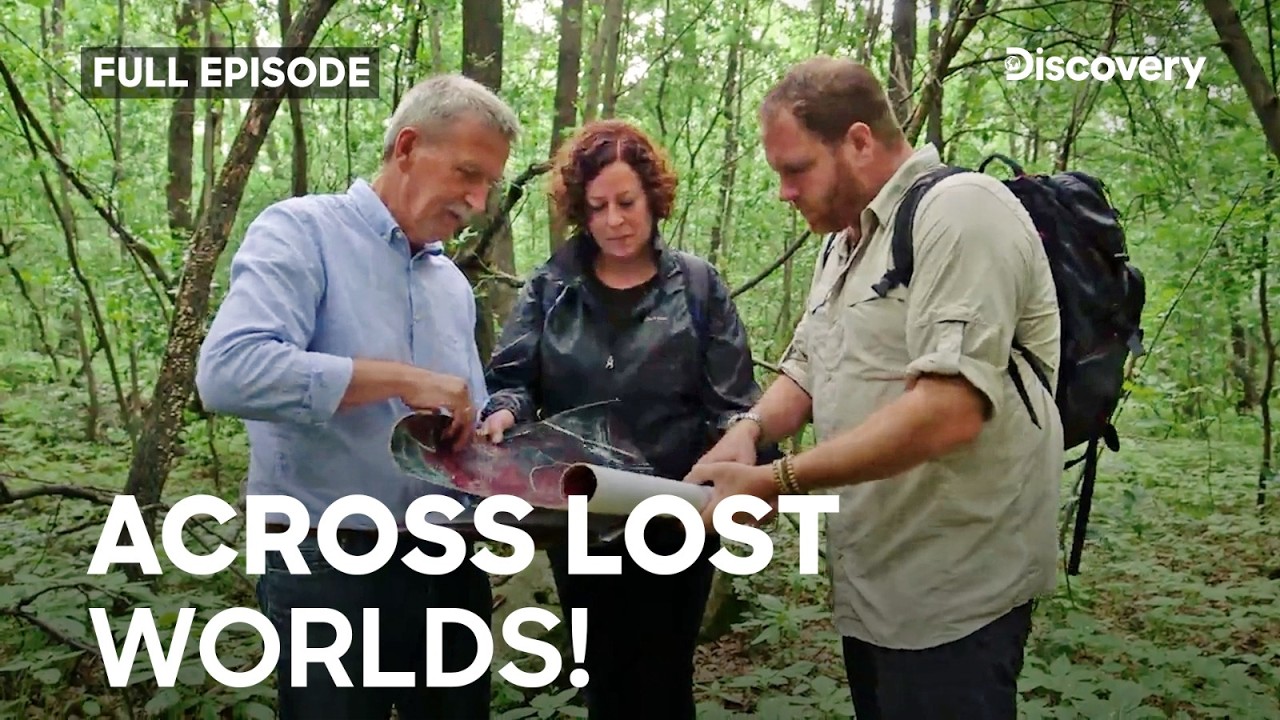
Chobot and Torres arrive with a full investigative toolkit: EMF meters, digital voice recorders, thermal cameras, full-spectrum video, and motion sensors. They focus on high-activity zones, including areas near major battles or known accident sites. Interviews with park rangers, historians, and recent witnesses provide compelling starting points. One ranger recounts a late-night patrol where a uniformed figure vanished into the woods. A hiker describes hearing marching footsteps and distant cannon fire on a quiet evening.
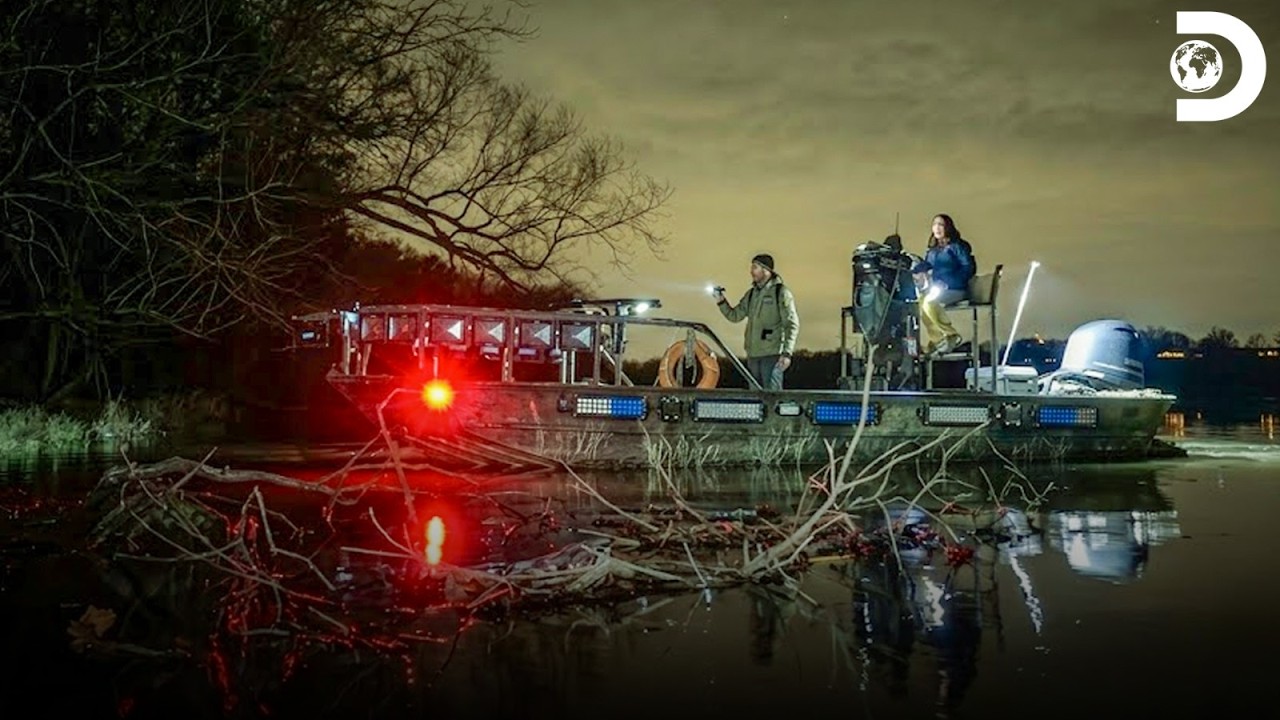
Night investigations bring the most intense moments. At one lock house, the team captures unexplained EMF spikes and audio anomalies—faint voices and footsteps when no one is present. Thermal imaging reveals cold spots and fleeting heat signatures inconsistent with wildlife or environmental factors. In a particularly chilling sequence, Chobot experiences a sudden drop in temperature accompanied by the sensation of being watched. Torres documents what appears to be a shadowy form moving along the canal bank before dissipating.
The duo also explores the human cost of the canal’s history. They visit sites linked to cholera epidemics that killed dozens of workers and locations where Union and Confederate forces clashed. Historians provide context on how trauma—sudden deaths, untreated wounds, and the psychological toll of war—might contribute to residual hauntings in paranormal theory.
Scientific and Skeptical Analysis
True to form, Expedition X balances the eerie with the empirical. Environmental experts explain how old stone structures, water currents, and temperature inversions can create optical illusions or strange acoustics. EMF readings are cross-checked against natural sources like mineral deposits or old wiring. Audio anomalies undergo analysis to rule out echoes, wildlife, or distant traffic.
Yet some evidence resists easy dismissal. Class-A EVPs (electronic voice phenomena) that seem responsive to questions, consistent witness reports across decades, and thermal anomalies captured simultaneously with other sensors keep the ghostly hypothesis viable. The team consults parapsychologists who discuss “residual hauntings”—energy imprints from traumatic events replaying like a recording—versus intelligent spirits capable of interaction.
The episode thoughtfully addresses cultural factors. Ghost stories can serve as ways for communities to process collective trauma. The C&O Canal’s history of hardship and war provides fertile ground for such narratives. At the same time, the show respects believers while maintaining scientific curiosity.
The Canal’s Living History
Beyond the paranormal, the episode celebrates the C&O Canal’s enduring legacy. Now a recreational gem with hiking, biking, and kayaking, it preserves stories of American ingenuity, immigration, and resilience. Rangers share how the waterway shaped regional development and survived floods, economic shifts, and the rise of railroads.
Paranormal activity, whether real or perceived, adds another layer to its allure. Ghost tours and investigations bring new visitors who learn about the canal’s past while seeking chills. The episode highlights how history and mystery often intertwine in America’s preserved landscapes.
A Mystery That Lingers
Expedition X Season 2 Episode 13 does not deliver a definitive verdict on whether Civil War ghosts haunt the C&O Canal. Instead, it deepens the intrigue with compelling personal accounts, intriguing sensor data, and rich historical context. Chobot and Torres leave the towpath with more questions than answers—a hallmark of thoughtful paranormal investigation.
For skeptics, the findings point to the power of suggestion, environmental factors, and the human tendency to find patterns in the unknown. For believers, they represent evidence that some souls remain tied to the places where they lived, worked, or died. Either way, the C&O Canal emerges as a place where the past feels remarkably present.
As night falls along the waterway, the locks creak, water laps gently, and the trees rustle. Whether those sounds are purely natural or carry echoes of blue-coated soldiers, drowned workers, or weary travelers, one thing is certain: the Chesapeake & Ohio Canal continues to guard its secrets. Visitors walking its historic path may find themselves wondering—not just about the ghosts—but about the living history beneath their feet.
The American landscape is full of such layered stories. Expedition X reminds us that sometimes the most profound discoveries come not from proving the supernatural, but from respecting the weight of the past and keeping an open mind as we explore it.